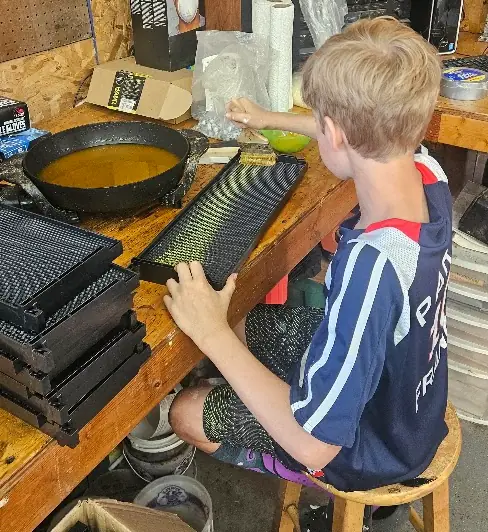
Caring for the Colonies
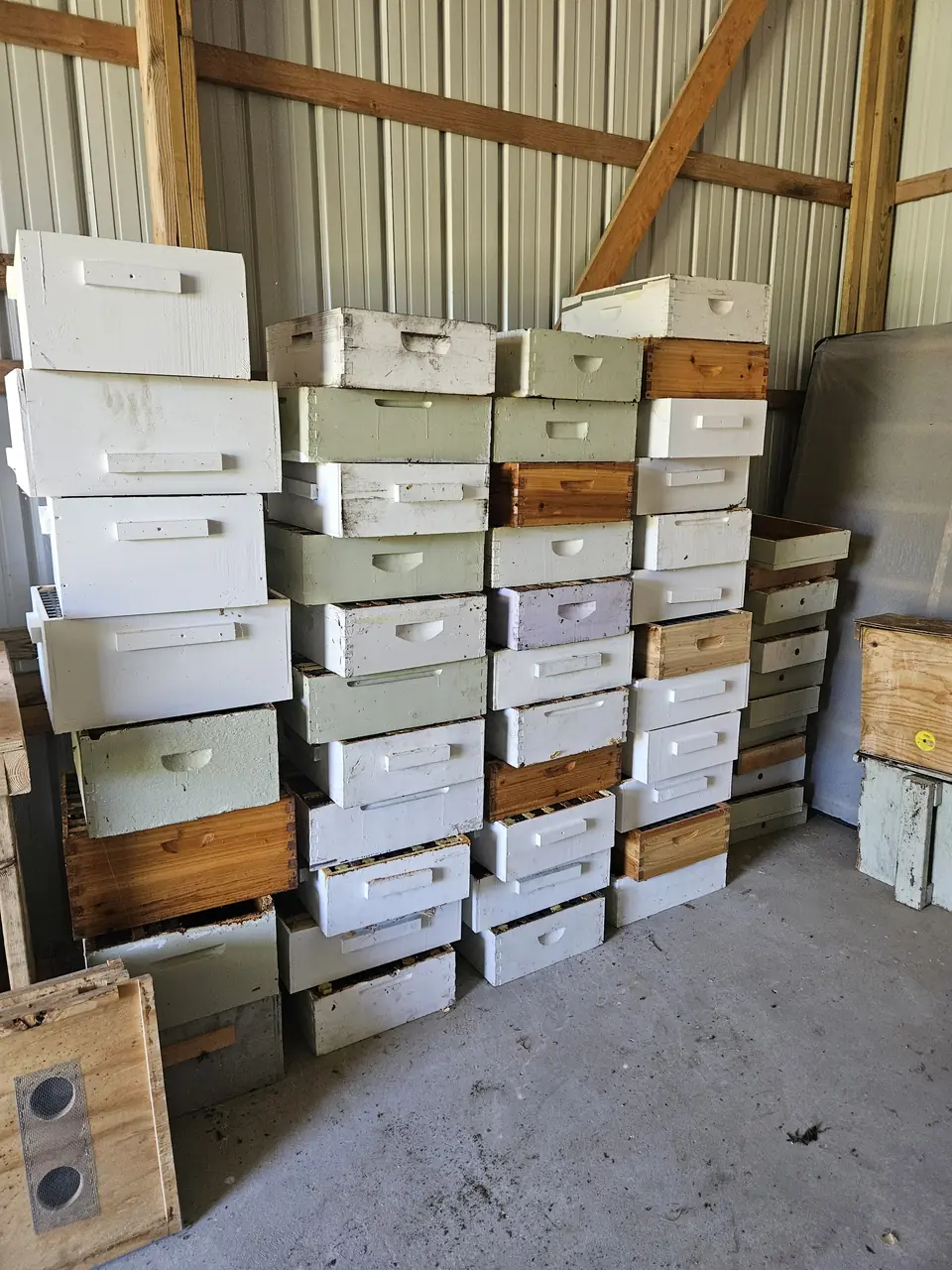
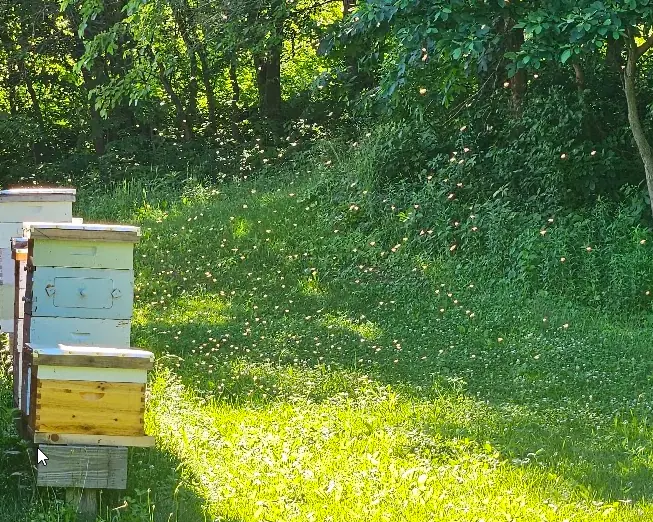
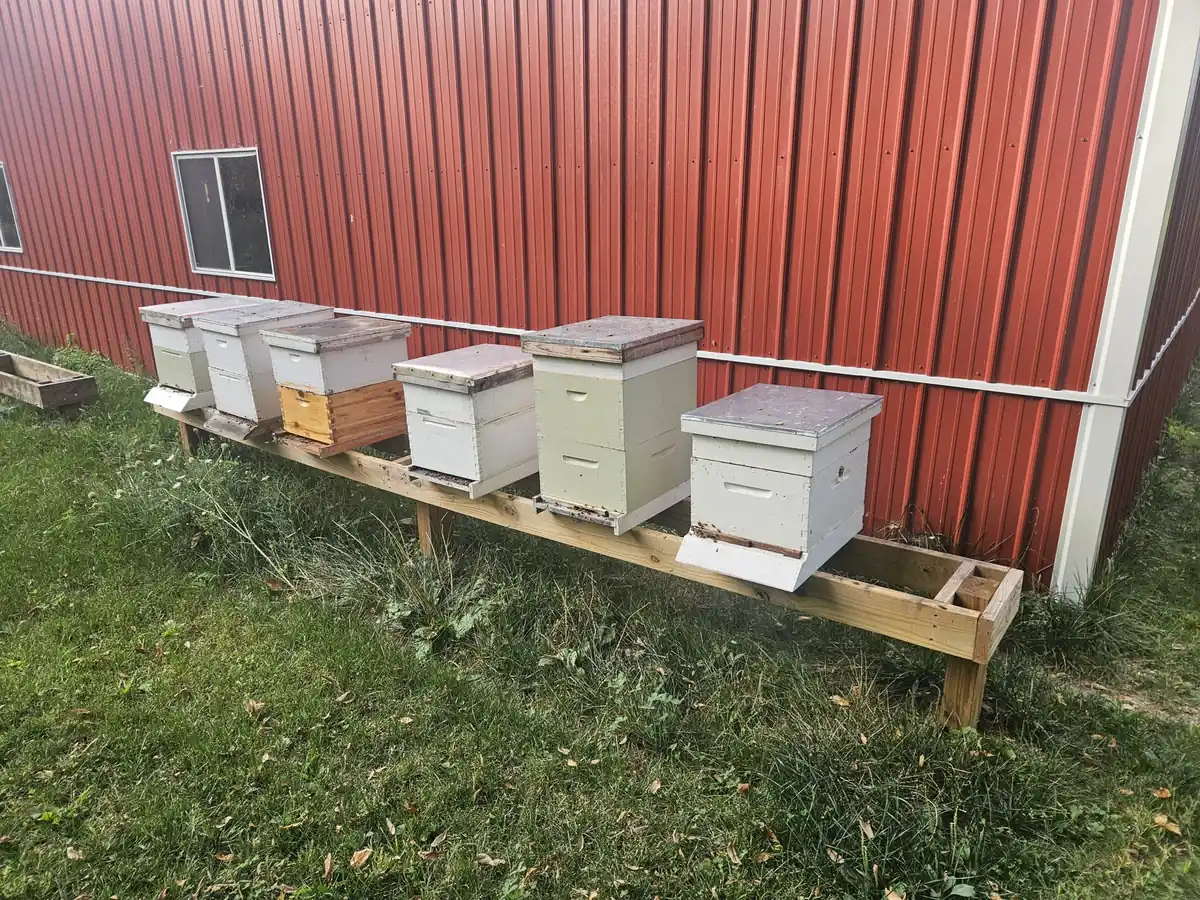
We check the hives, watch the strength of the colonies, and give the bees the space they need as the nectar flow changes.
 Freeman Family Honey Farm
Family-raised bees, local honey
At Freeman Family Honey Farm, we care for our bees through the seasons and harvest honey from family-tended hives here at home. Every jar carries the fields, flowers, and steady work behind it.
In the bee yard
We check the hives, watch the strength of the colonies, and give the bees the space they need as the nectar flow changes.
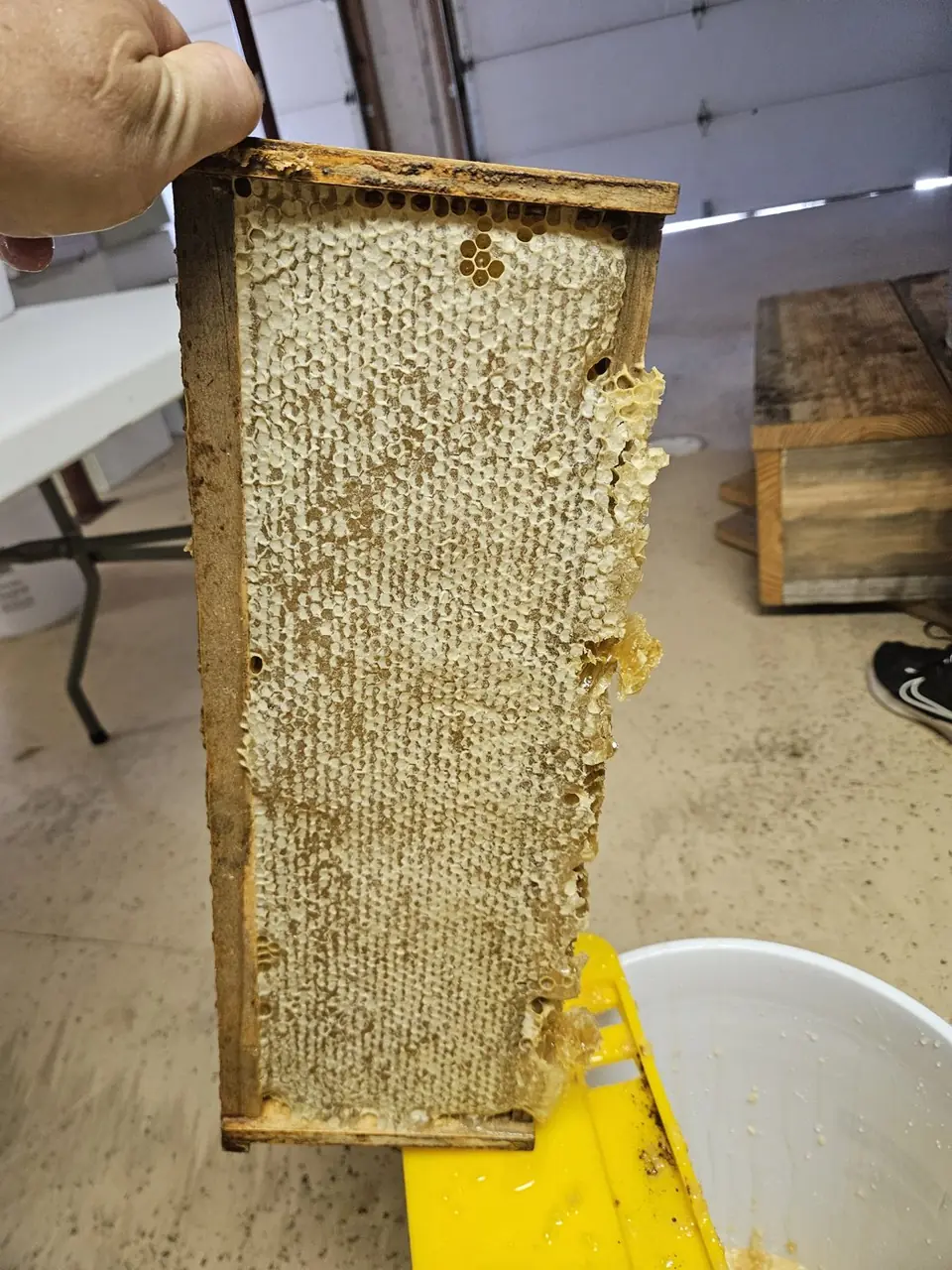
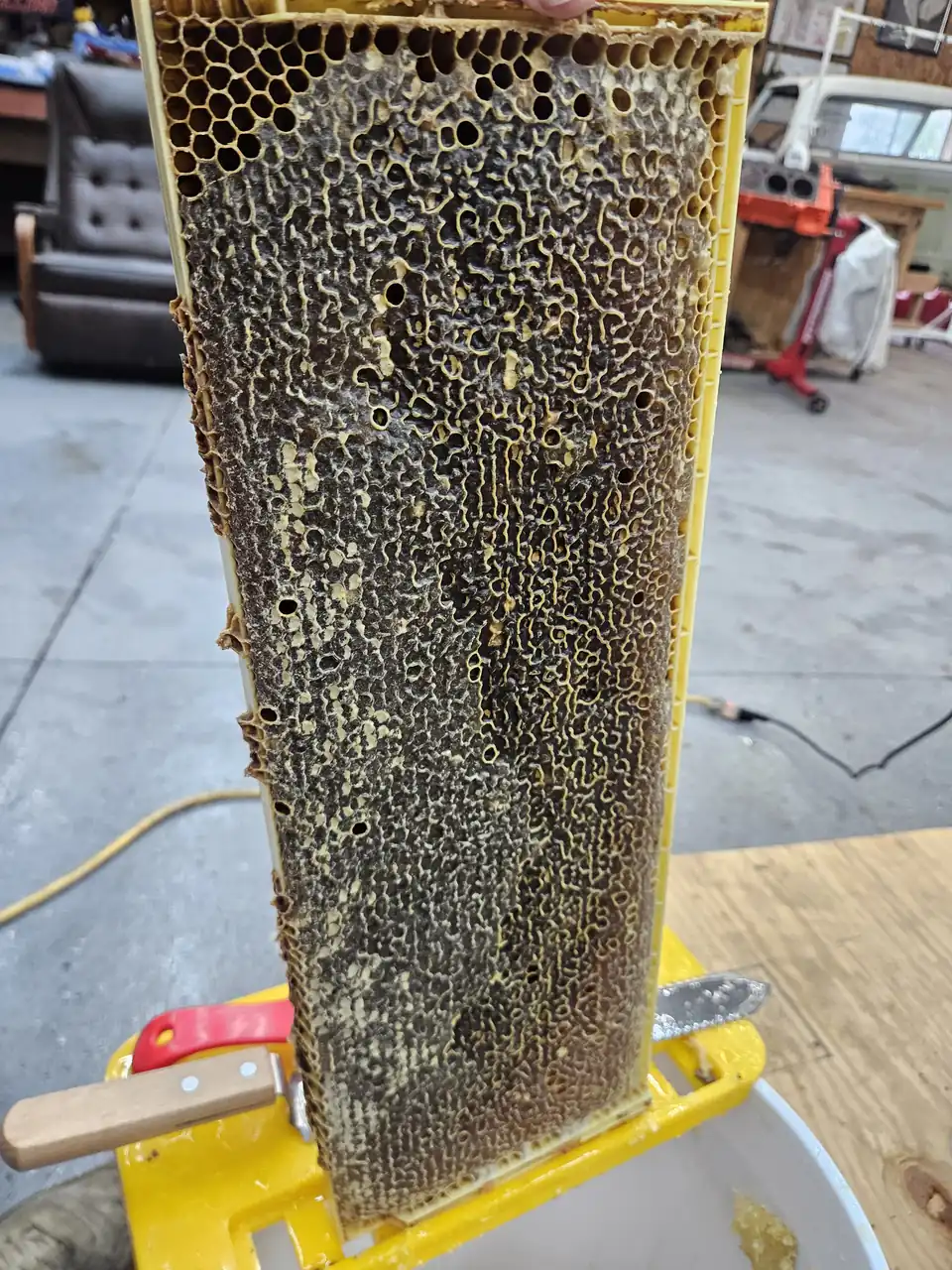
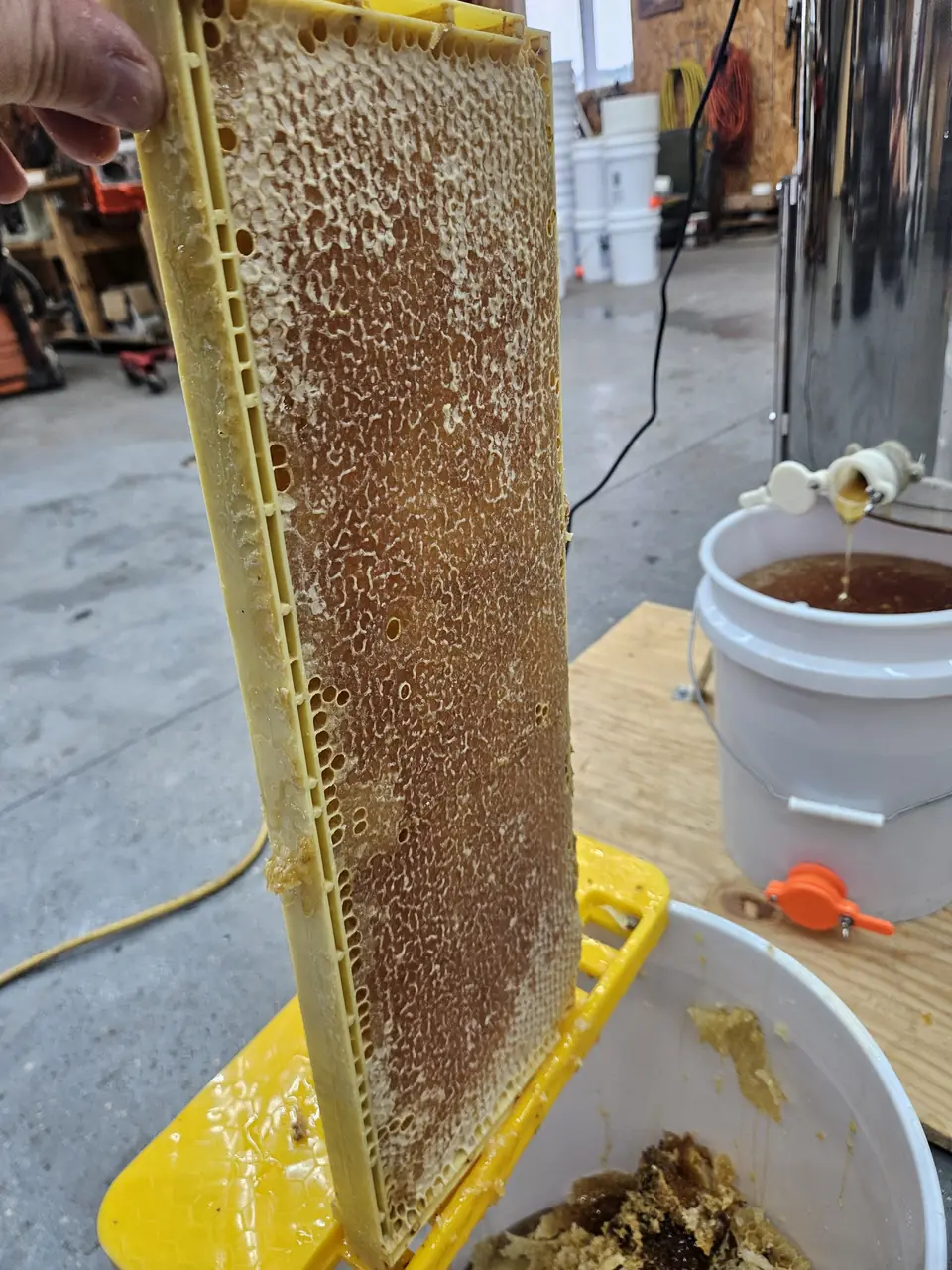
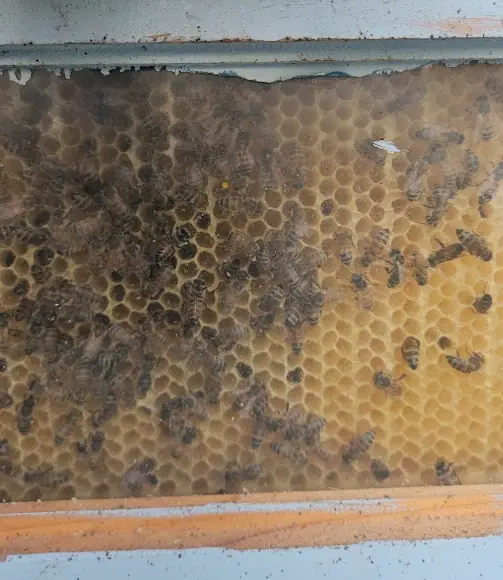
Frame by frame, the bees build wax, store nectar, and cap the comb when the honey is ready.
From our place to your table
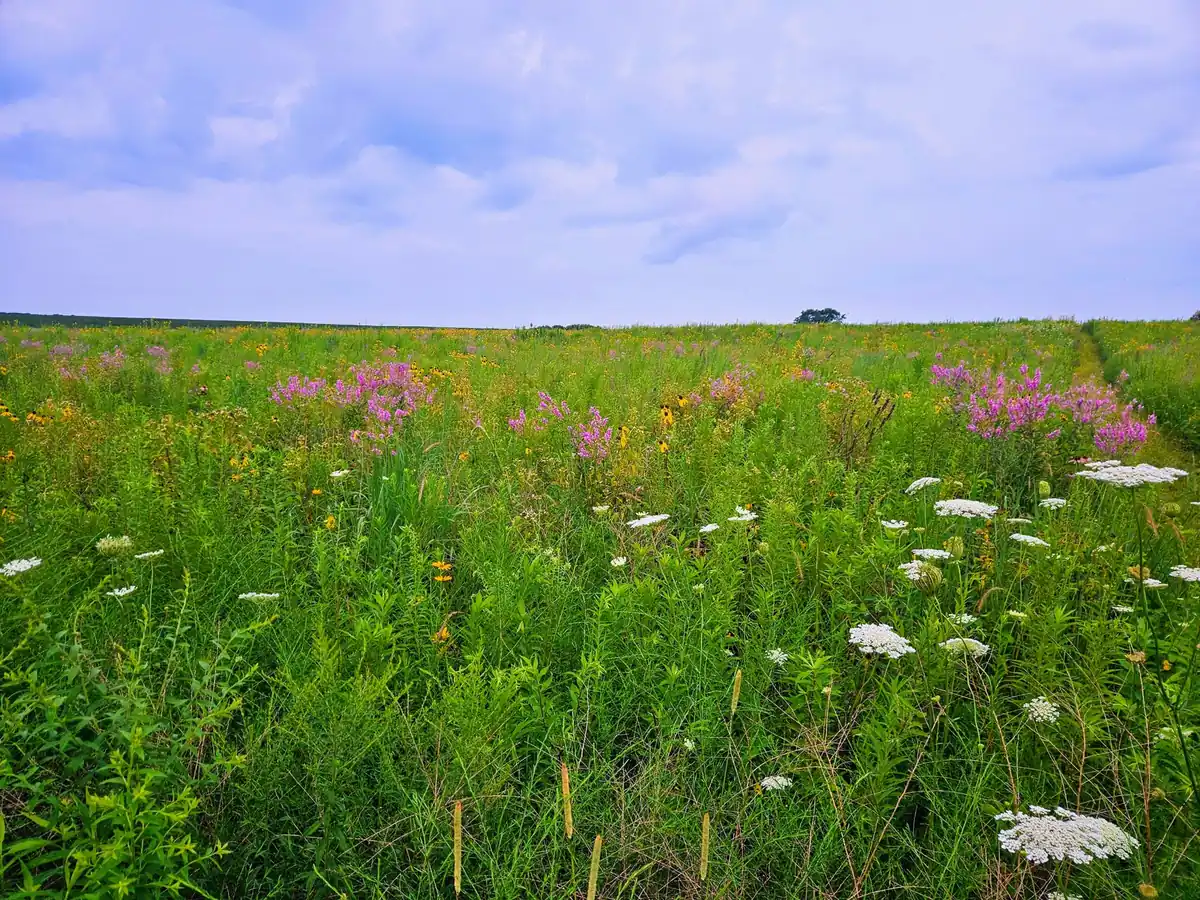
The honey changes with what is blooming around the farm. Wildflowers, fields, trees, weather, and timing all help shape the color and flavor of each harvest.
That is what makes local honey special: it belongs to a place, a season, and the bees that worked it.
Who runs the farm
Freeman Family Honey Farm is run by Noah and Jennifer Freeman and their three boys. The hives are part of daily life near Rossville, where habitat, stewardship, and hands-on agriculture come together.
Noah grew up with beekeeping as one of his 4-H projects and as his FFA Supervised Agricultural Experience in high school. That early farm-and-bee work now carries into the way the family keeps bees, tends habitat, and bottles honey close to home.
Professionally, Noah has spent more than 25 years working across agriculture, data science, product innovation, precision ag, soil fertility, and grower-facing technology.
Jennifer is a Professor in Purdue University's School of Health Sciences, Assistant Vice President for Research Development, a Faculty Affiliate in Environmental and Ecological Engineering, and a Teaching Academy Fellow.
Her work in environmental and molecular toxicology brings a deep respect for science, health, and the living systems around the farm.
Habitat around the hives
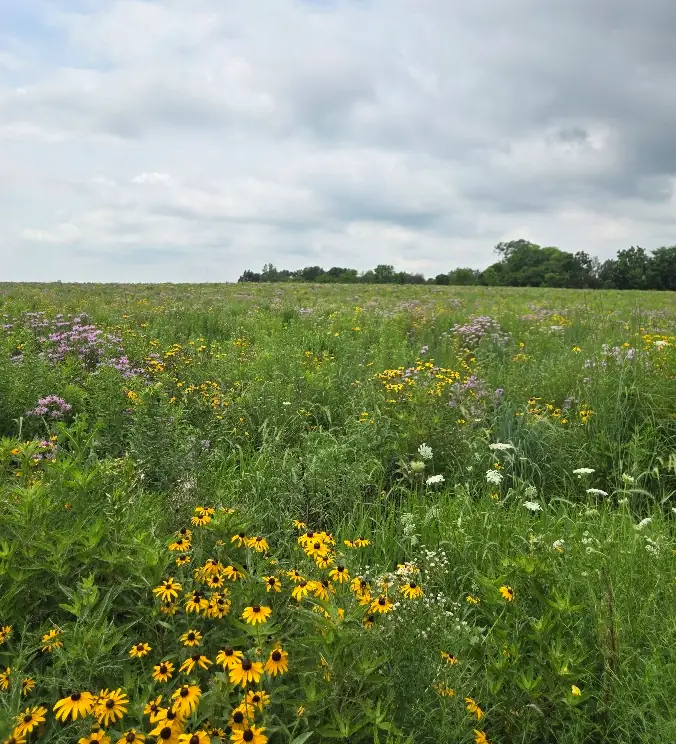
The farm includes 9 acres enrolled in CRP native habitat and 8 acres planted in NRCS butterfly habitat. Those acres help support pollinators, wildlife, and the seasonal blooms that make local honey belong to this place.
The harvest
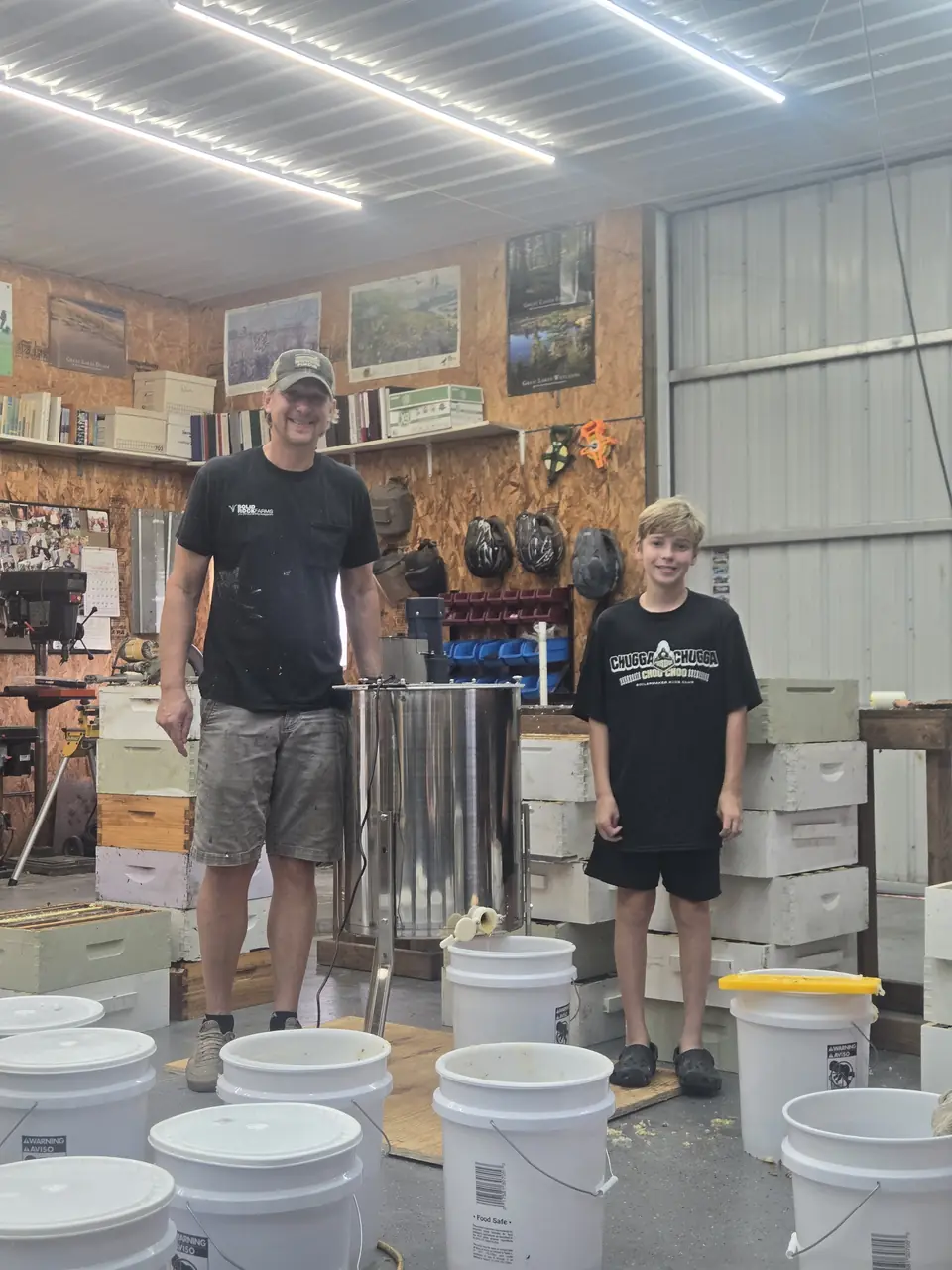
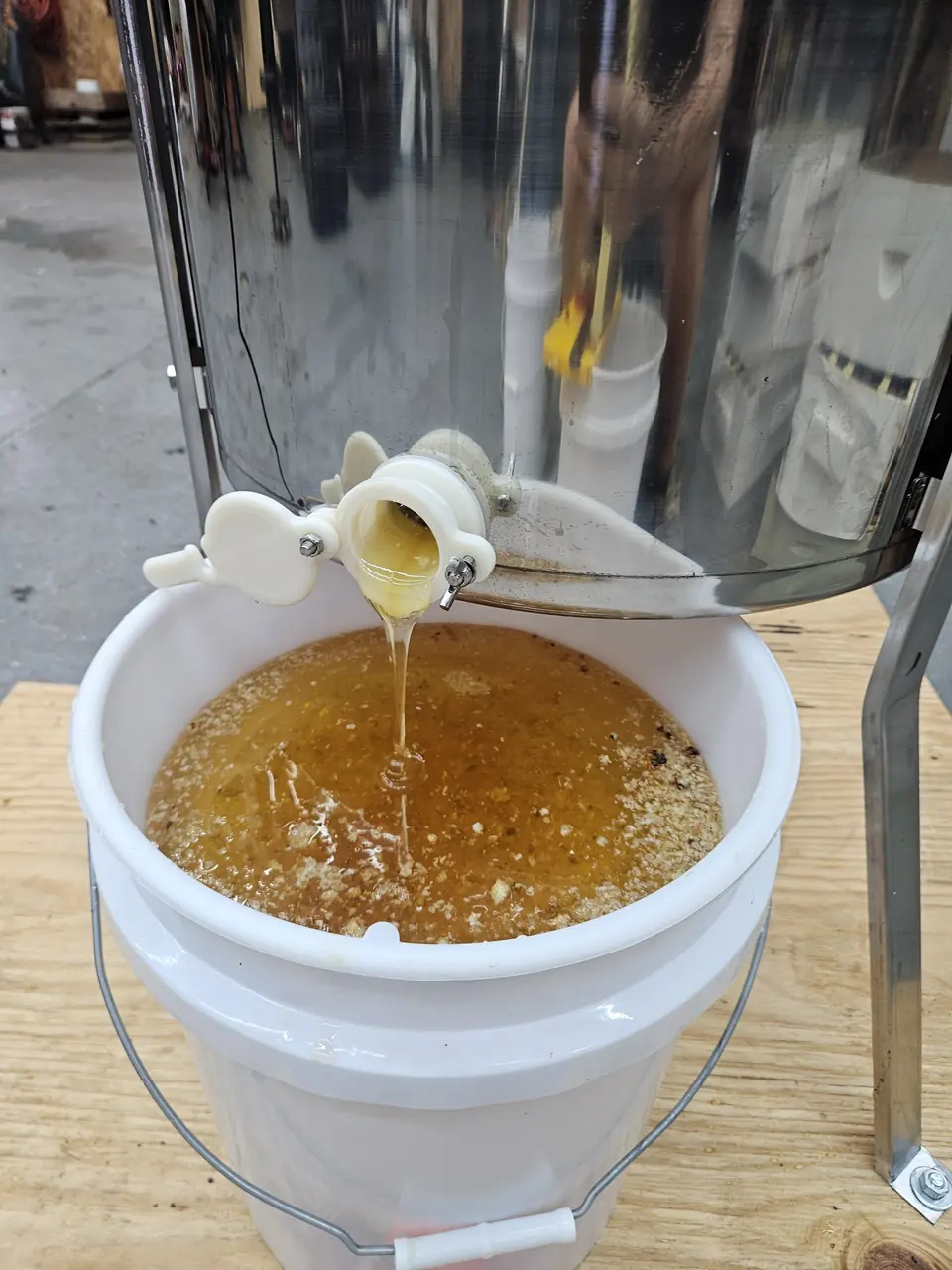
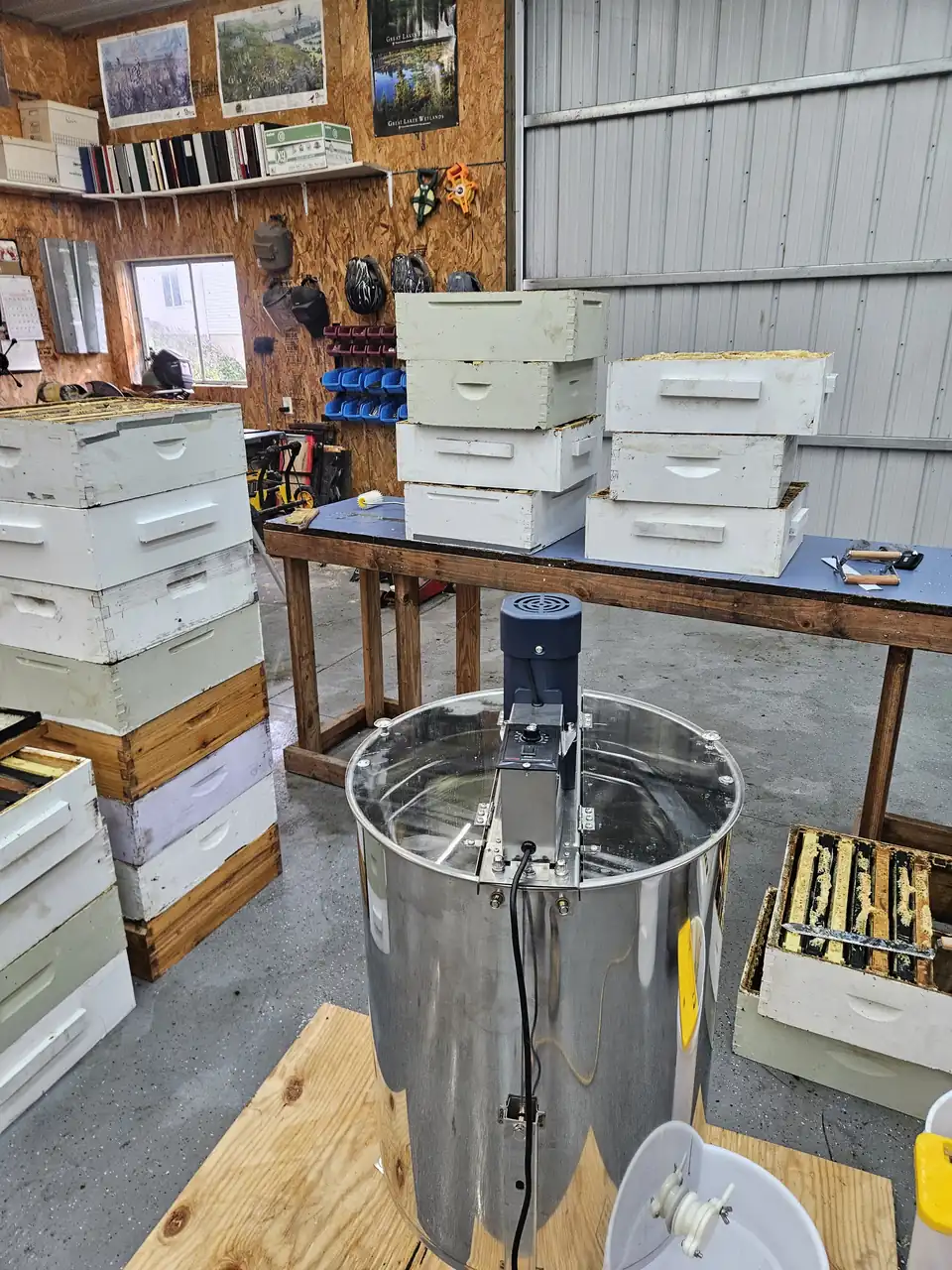
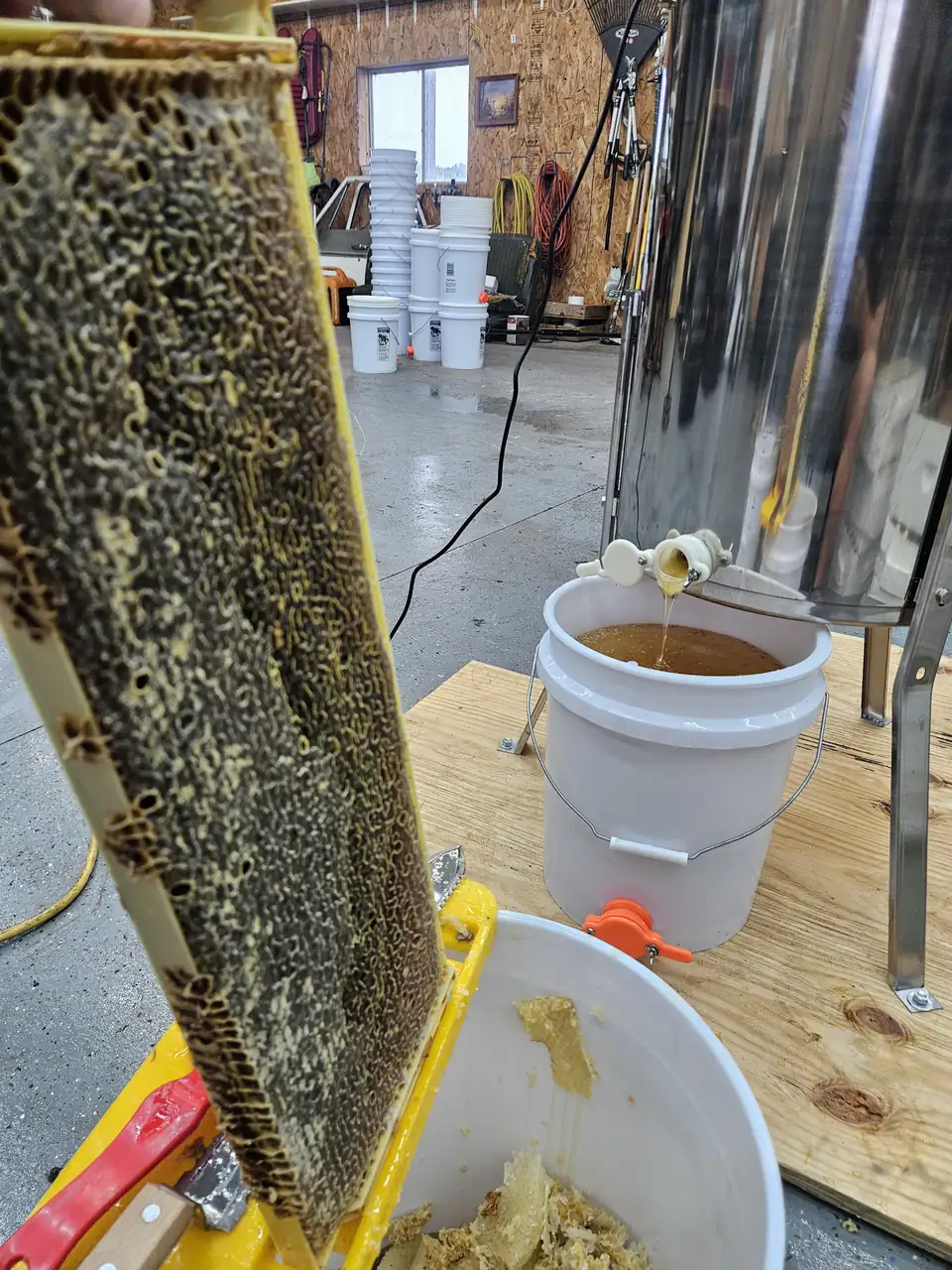
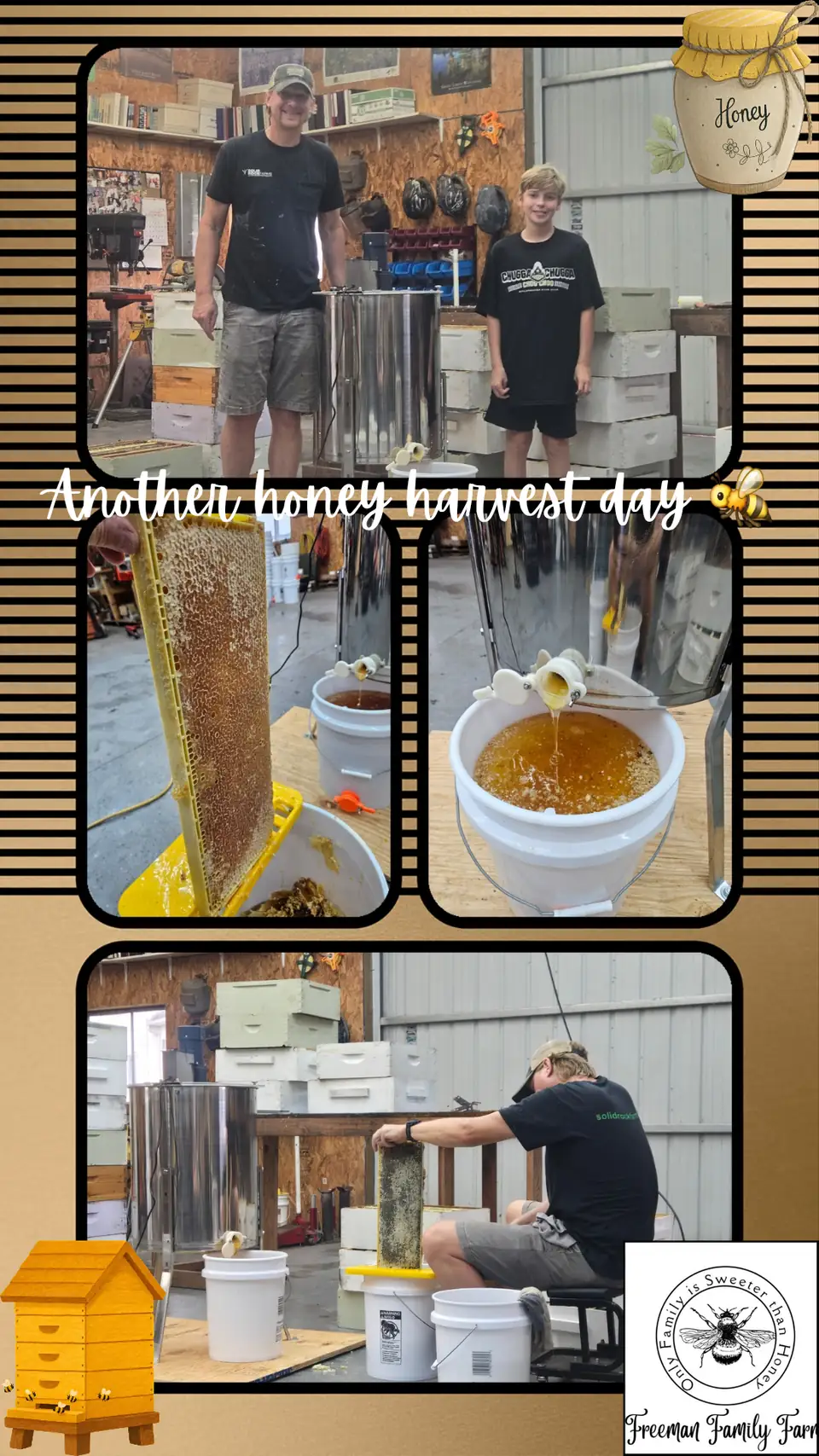
When the honey is ready, we pull frames from the hive, handle the harvest carefully, and bottle it for the stand. We keep the process simple so the honey stays true to the bees and the season.
Available from the farm
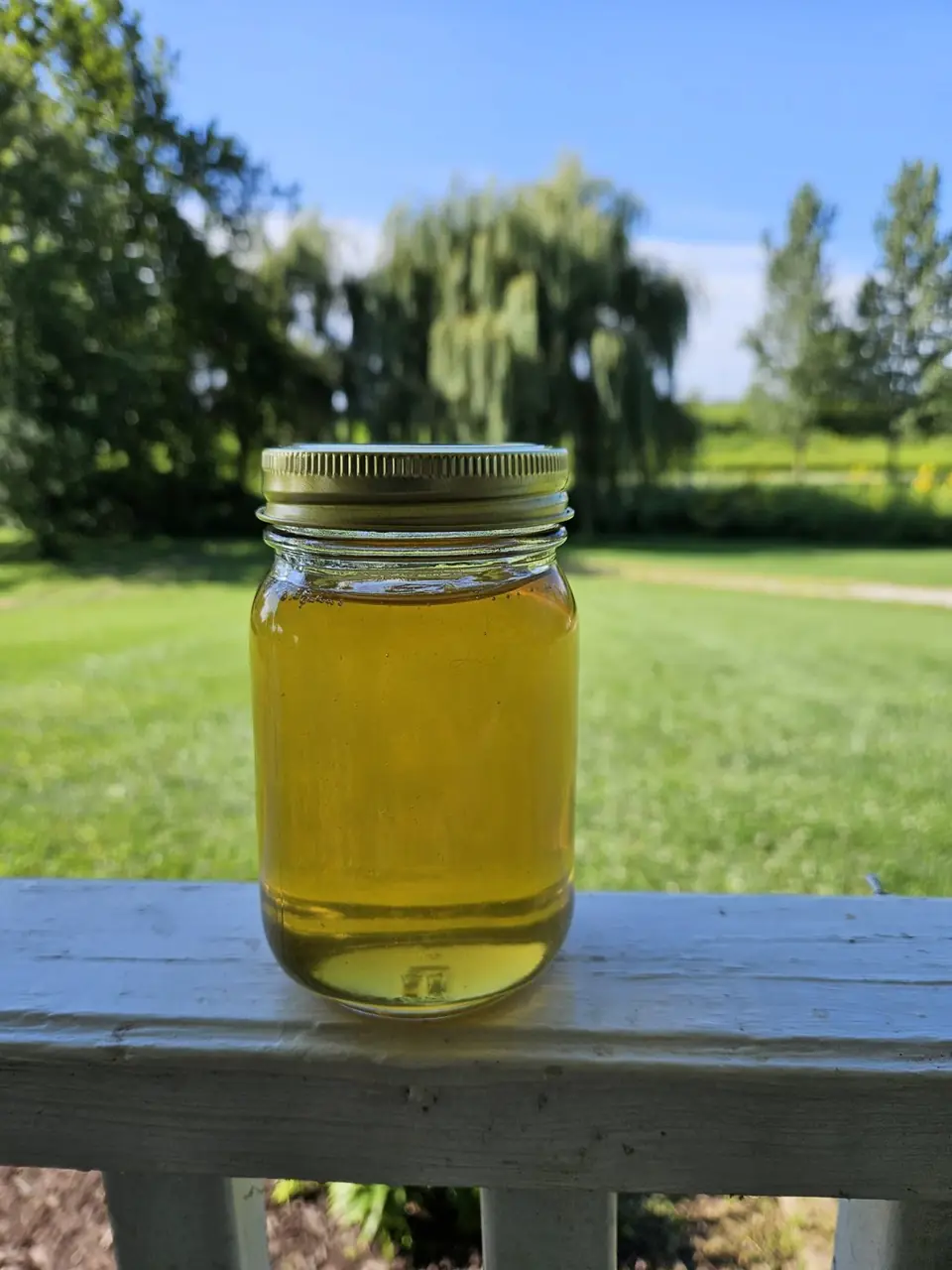
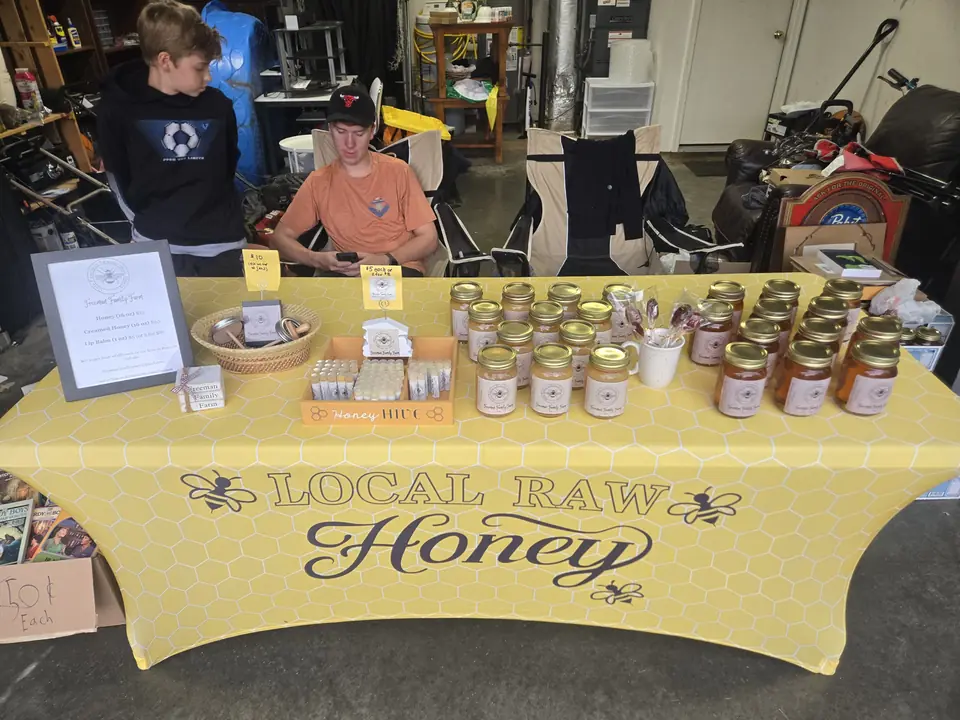
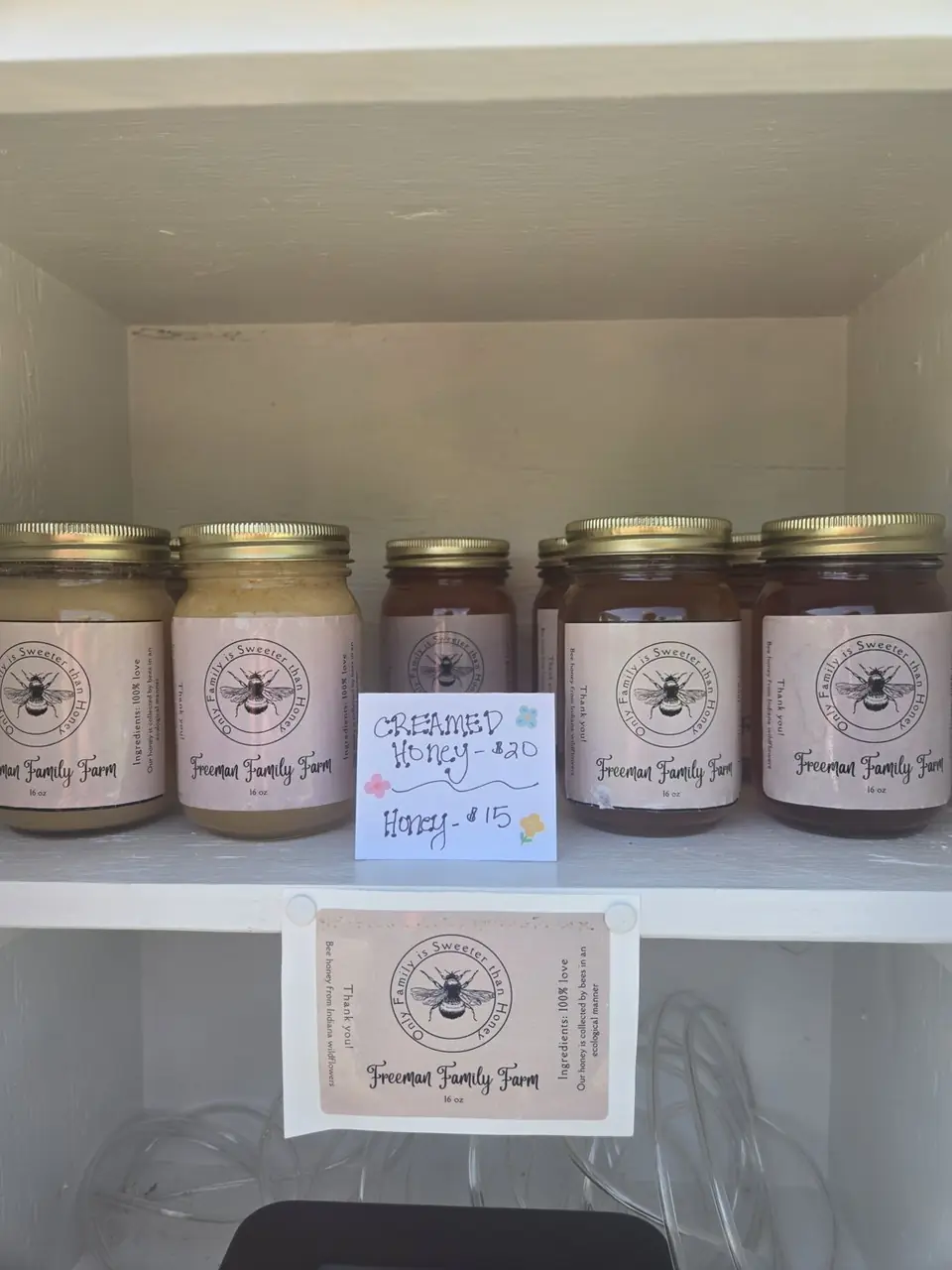
$15 per pint
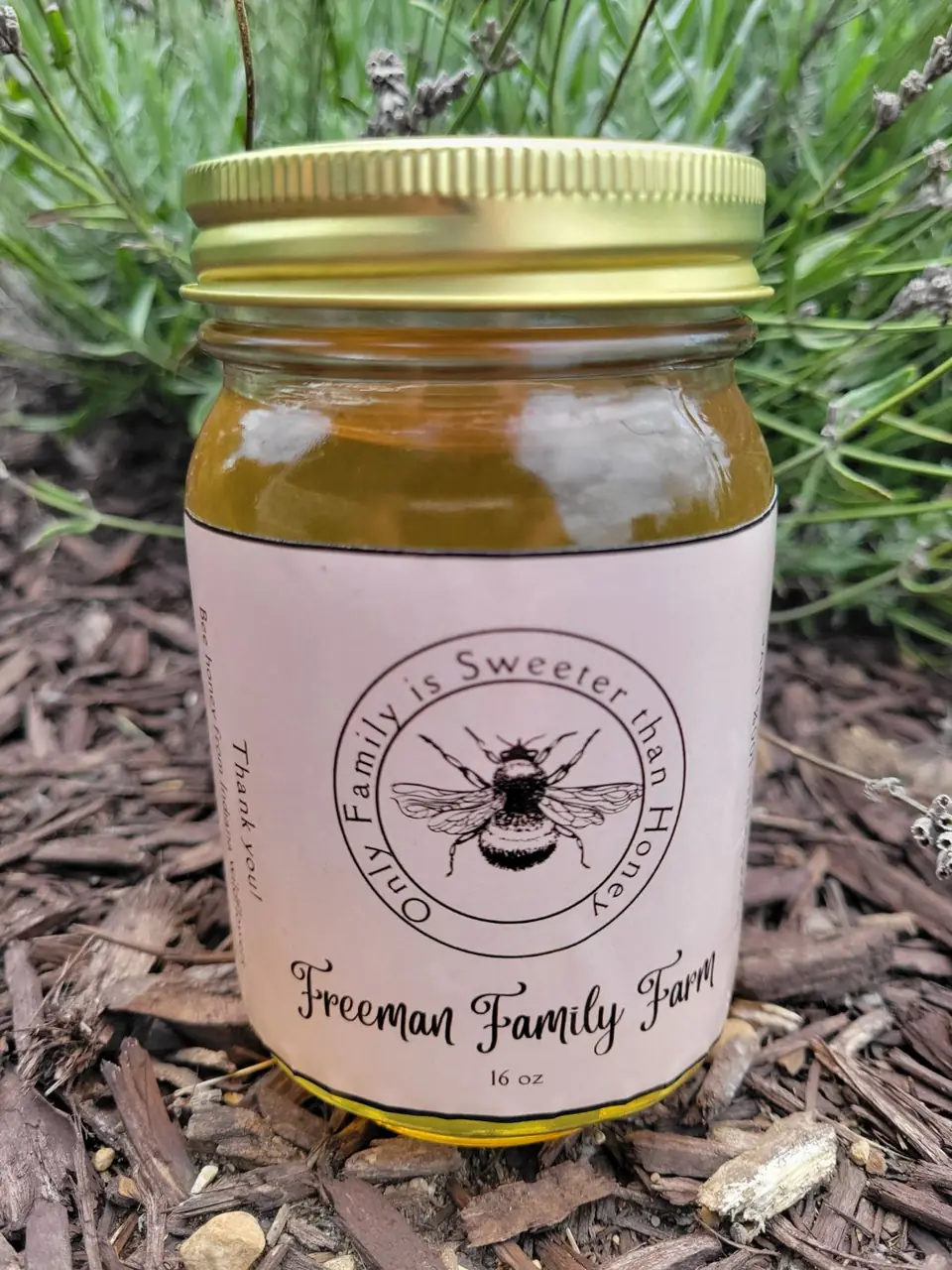
Golden local honey in pint jars, ready for biscuits, tea, baking, or a spoonful straight from the jar.
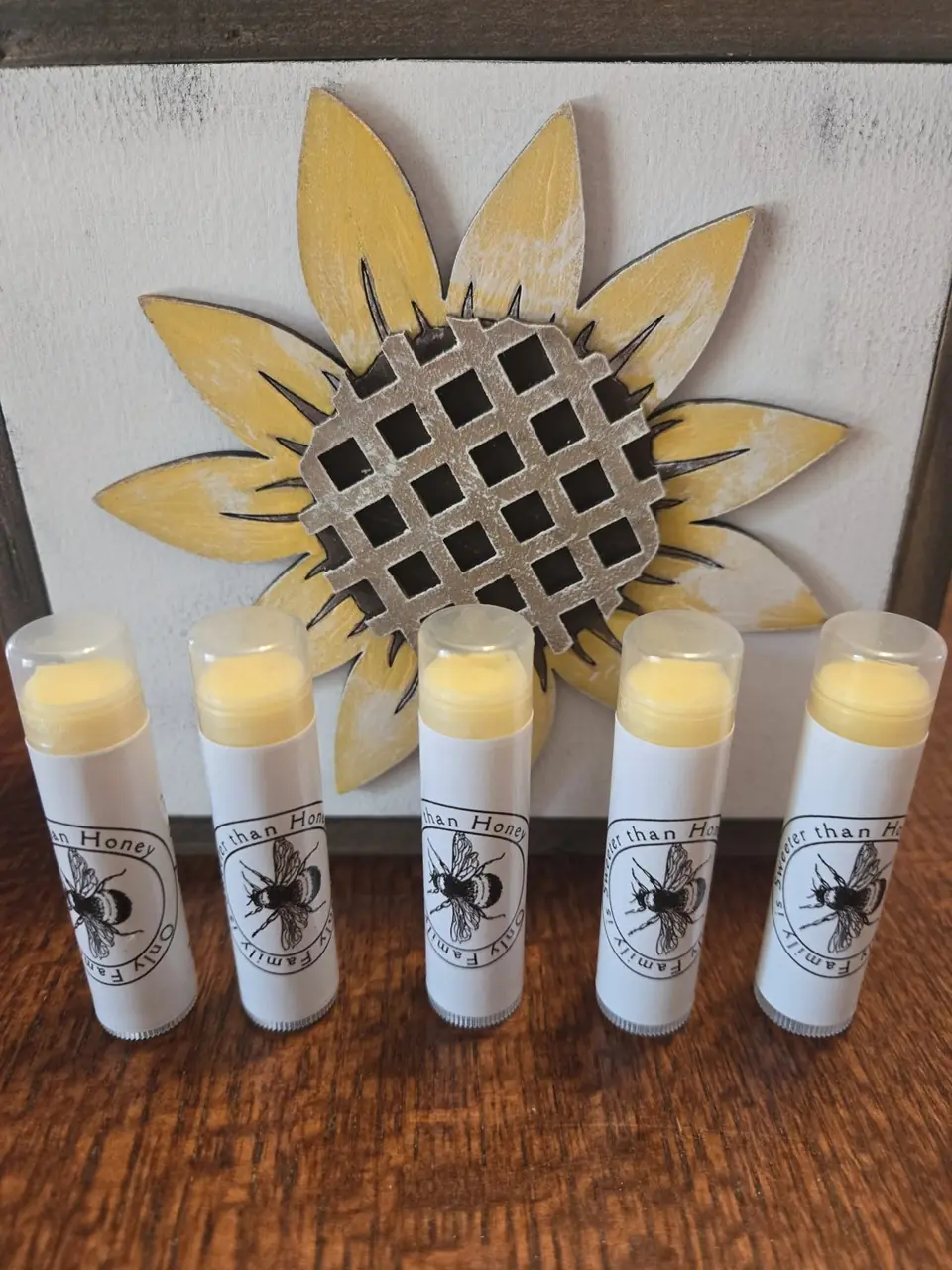
$5 each or 2 for $8
Small-batch lip balm made for everyday use, easy to grab from the stand with your honey.
1 gallon: $100
5 gallons: $450
Larger quantities are available for families, kitchens, events, and anyone who goes through honey by the spoonful. Call or email ahead to check availability.
Bring some home
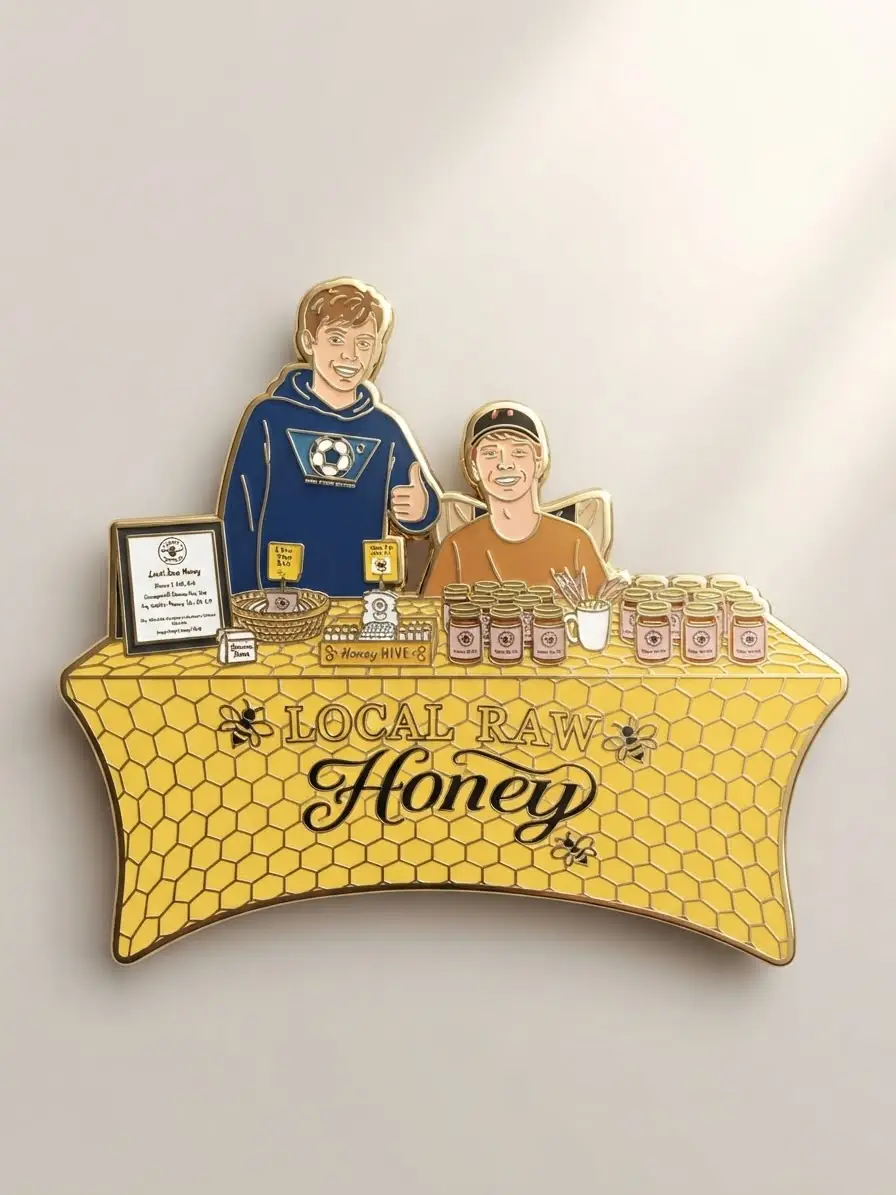
The stand is still the easiest way to buy what the hives produce. It is self-serve, always open, and set up with a cash box on the honor system.
Open in Google MapsAround the farm
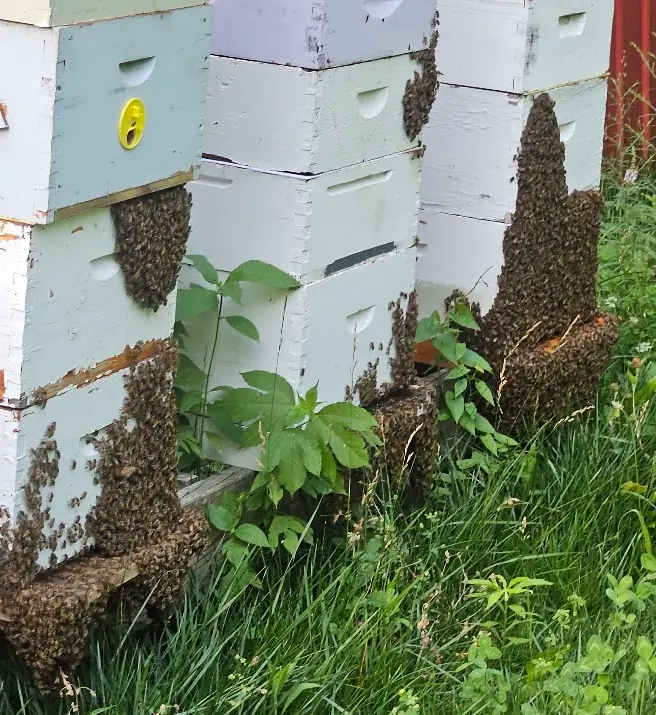
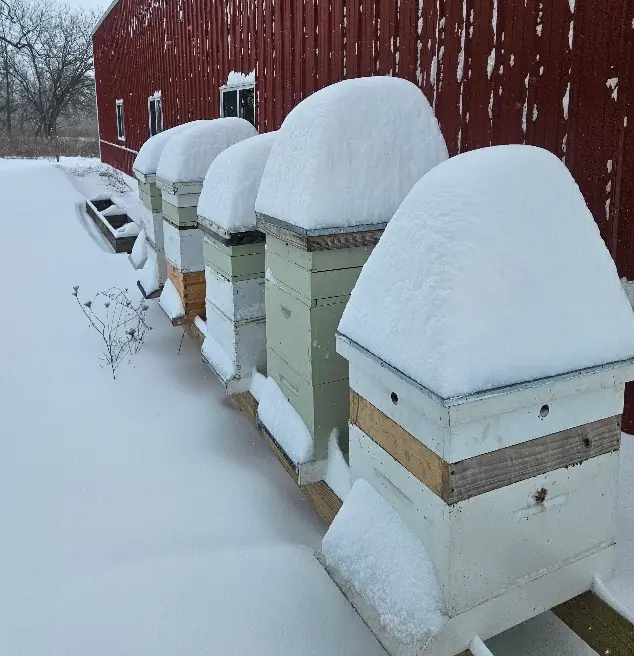
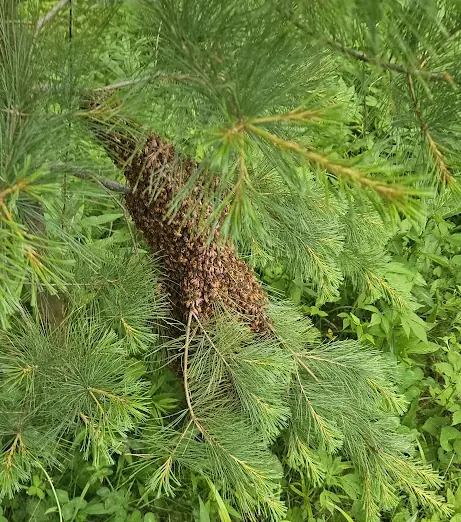
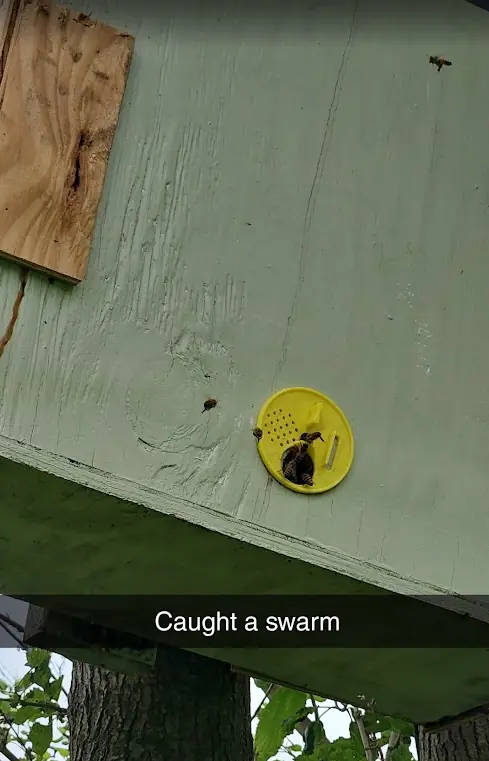
A growing collection of moments from the bee yard, swarm season, honey harvest, and family work behind Freeman Family Honey Farm.